
Bearing failure analysis is an important component of system engineering aimed at improving the reliability of working surfaces. The working function of bearings is to reduce their specified losses, resulting in failure or non operation as a failure phenomenon, which is called bearing failure. It can be divided into two types based on their normal life failure and two early failures. This mainly analyzes the causes of early bearing failure caused by pitting corrosion and fatigue, and proposes improvement suggestions to improve bearing life and reliability.
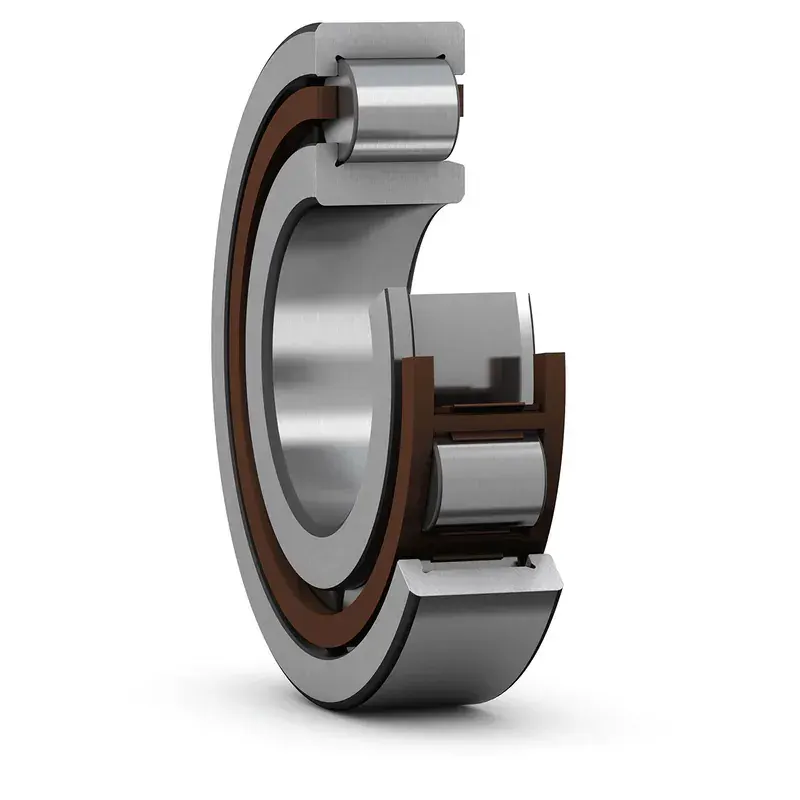
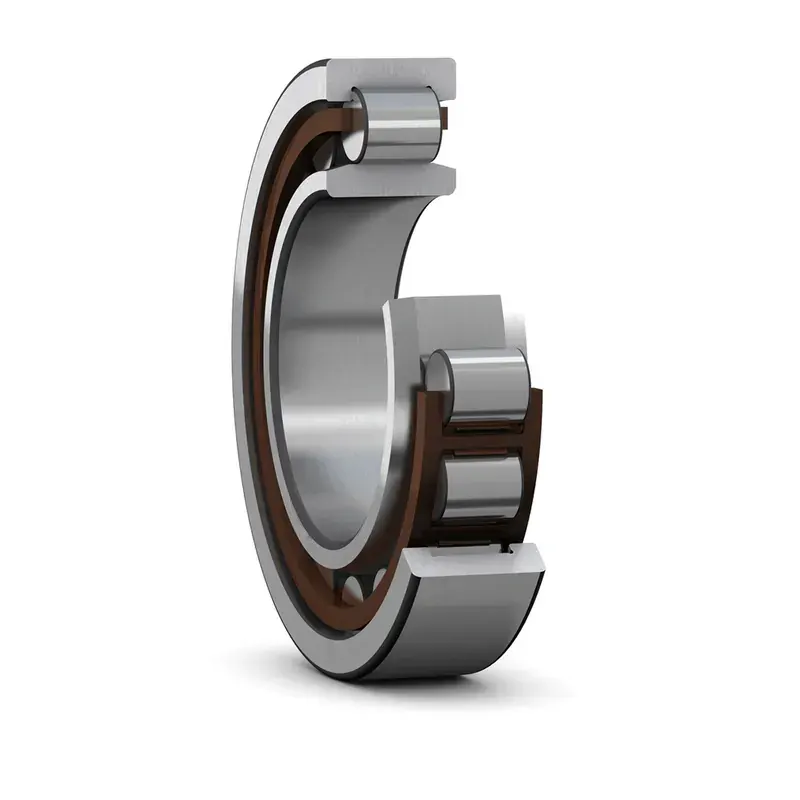
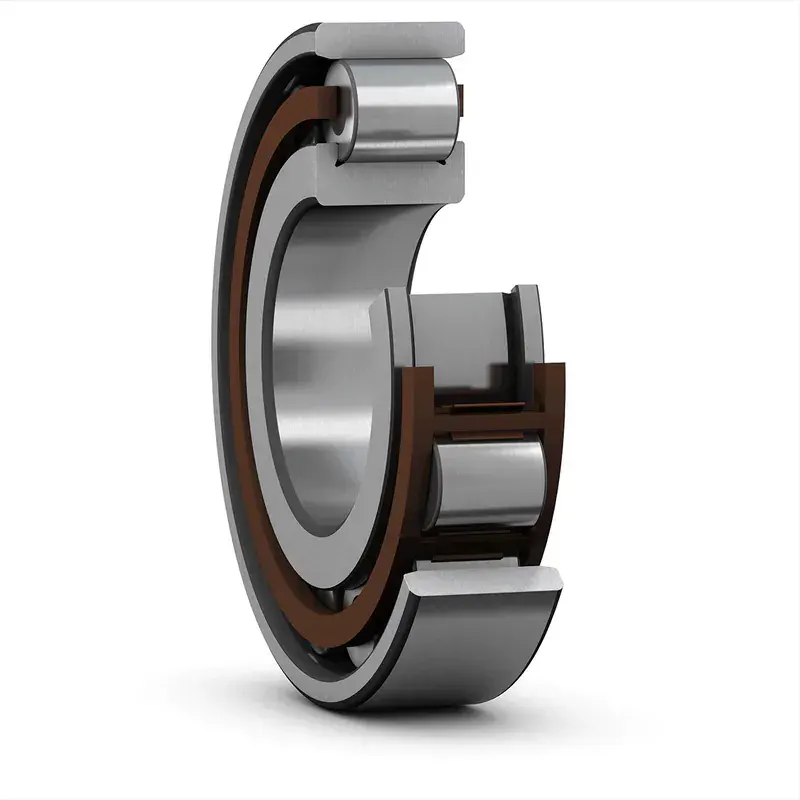
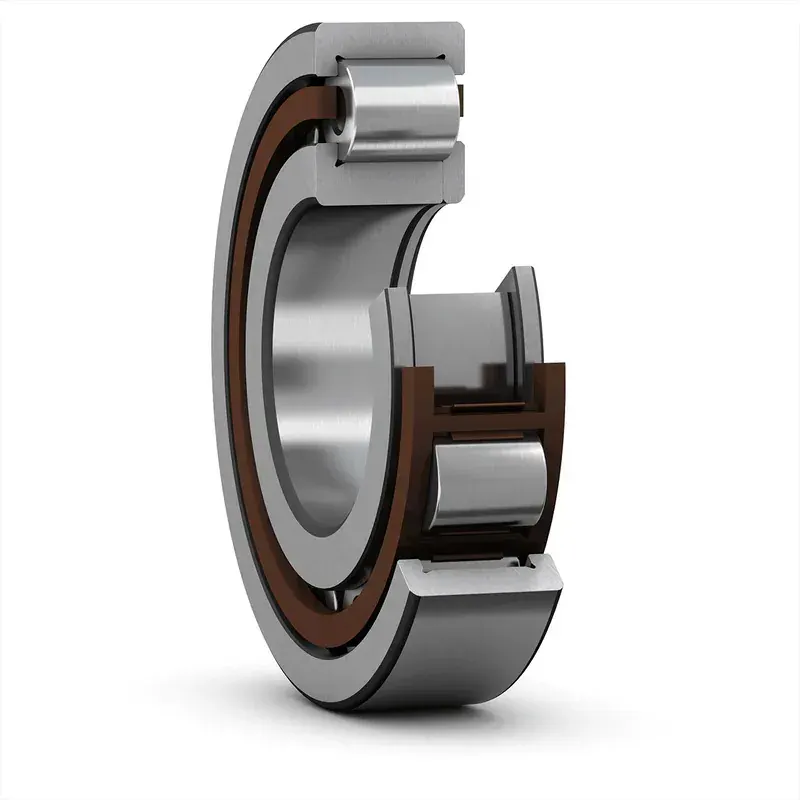
Bearing fatigue failure is a surface form of failure, mainly manifested as the initiation, propagation, and fracture process of fatigue cracks, and the long-term effects of load failures under alternating conditions. Metal tapered roller bearings use a retainer made of glass fiber reinforced nylon 66, suitable for stable states with working temperatures not exceeding 120 degrees. When using oil lubrication for this type of bearing, if the oil contains additives, it may shorten the service life of the retainer. When the temperature exceeds 120 degrees, aged lubricating oil will also shorten the service life of the retainer. Therefore, it is important to observe and replace the lubricating oil as scheduled.
Sealed bearings are lubricated with specially tested high-quality lithium based grease. This type of grease can withstand a high temperature of 120 degrees Celsius for a short period of time. If the stable operating temperature reaches 70 degrees or higher, the lifespan of standard lithium based grease will be shortened. To work frequently at high temperatures, special lubricating grease must be used, and attention should be paid to whether heat-resistant materials are needed as sealing devices. The operating temperature of standard contact seals cannot exceed
110 degrees Celsius.
If high-temperature synthetic materials are used for sealing, it is also necessary to consider that this highly effective fluorinated material will release harmful gases and smoke when the temperature exceeds 300 degrees, especially when using a welding gun to disassemble tapered roller bearings.
1. The load-bearing capacity of tapered roller bearings is much smaller than that of sliding bearings of the same volume. Therefore, the radial size of their rolling bearings is larger. Therefore, in situations where large loads are borne and where small radial size and compact structure are required (such as crankshaft bearings in internal combustion engines), sliding bearings are often used.
Bearing vibration and noise are significant, especially in the later stages of use., Therefore, in situations where precision bearings are highly required and vibration is not allowed, sliding bearings are generally preferred for better results.
3. Conical roller bearings are particularly sensitive to foreign objects such as metal shavings. Once foreign objects are mixed in, they will produce intermittent large vibrations and noise, which can easily lead to damage. So the lifespan of rolling bearings also has a certain limit. In short, the lifespan of similar bearings is shorter than that of sliding bearings.


 Service